 Awards
  Conferences
  Digital Events
  #1 multi-award winning software for awards and conferences
Why technology continues to lead the way in event industry trends and remains the key to delivering personalized content.
As we welcome 2022 it's time to start planning our event and marketing activities. This year the industry has again faced some challenges but saw some positive and exciting changes. There have been trends that made appearances in 2021, that will undoubtedly play key parts in future strategies, with the growth and stability of digital events. It's undisputed that digital and hybrid events are here to stay, so here are the top trends to watch out for in 2022.
Augmented and Virtual Reality
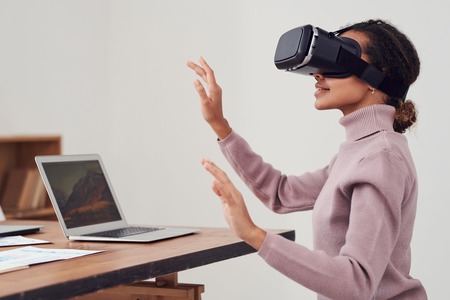
A trend that a few events experimented with within 2021 was augmented and virtual reality, a trend we anticipate will boom in 2022. Many organisers have accomplished profound success in the move to digital events. With this, events are constantly seeking new trends and experiences to maintain a competitive advantage and stay one step ahead. How can event organisers give attendees and guests new and exciting experiences virtually?
The AR (augmented reality) and VR (virtual reality) industry is projected to grow by over 25% over the next two years. AR and VR technologies are becoming more affordable and more popular with a vast list of potential uses. AR adds digital elements of the real world to virtual events and VR can be useful for creating virtual tours. Virtual reality catapults attendees into complete virtual worlds whereas augmented reality provides digital add ons. AR technologies are favoured by event organisers as they can be downloaded into apps and used on smartphones. Many exhibitions and conferences are already utilising AR to provide interactive venue maps, tours and entertainment. Adding AR to hybrid conferences and exhibitions makes the attendee feel like they are getting value with their digital experience. AR is also becoming a popular networking tool at digital and hybrid award ceremonies. AR makes it easier for guests to navigate around virtual venues and identify people they wish to network with.
Personalisation and AI
As event technology continues to advance, we as consumers are becoming more demanding, our expectations from technology are higher. As our standards become higher we now expect communications from brands to be personal. Technology makes our lives easier and makes us more efficient, everyone knows that. When brands don't personalise communications with their consumers they question, why not? Personalisation goes beyond addressing individuals by their first name in mass emails. Consumers expect personalised content, they want to feel like it was created just for them. The best way to get relatable content in front of the right people is AI. Event organisers are recognising that digital event attendees want content on-demand and be able to view what is relevant to them. We anticipate that personalized content via AI will be a huge event trend for 2022. Events are now exploring technology that not only allows guests to stream personalised content but provides personalised event schedules and event maps. Technology that can pinpoint virtual areas of interest for attendees, personalising content and event experience doesn't just provide the attendee with a more valued experience, it helps generate future revenues. Utilising data on attendee behaviour will help you develop a more targeted, personalized advertising to attract attendees to future events. Just like e-commerce websites use AI to suggest items that might be of interest based on your purchase history, events can use AI to suggest content and events that might be of interest to their community.
Smaller, intimate digital events
Digital events will become smaller and more intimate. We've spoken previously about the importance of hosting small events but content marketers are dedicating a lot of effort to hosting micro-events. Why? because many people seek private discussions where they can gain advice, talk strategies, share their experiences and network with others. People like the feeling of being part of an exclusive club. Smaller digital events are low cost, easy to host and can be held more frequently and regularly. Smaller events are great gateways to larger events. Hosting more, smaller events are also going to help get personalised topics and discussions in front of your audiences. Small events are going to be key to building your event communities and connecting with your audiences all year round.
Sustainability
And the obvious one, sustainability will continue to play a key part in event strategies. Events continue to take steps forward with their commitments to reduce their impact on the environment. No throwaway freebies, avoidable merchandise and more digital events to reduce unnecessary travel continue to soar on into 2022. Perishable gift hampers, sourced from local produce for both physical and digital attendees continues to be a large trend. Instead of handing out discardable merchandise, many event organisers are sending out responsibly sourced food and beverage hampers to attendees logging in to the event online. It's a great sponsorship opportunity and makes the digital attendee feel valued whereas digital attendees can often feel like they're forgotten about at hybrid events. Events that fail to demonstrate sustainable initiatives and green practices are not only off-putting to potential attendees but also sponsors and partners. Essentially your core values as a business do not align with theirs and their customers.

Technology continues to lead the way in event industry trends. The focus on event success in 2022 will be around the unique digital event experience. What can we give people that is new and exciting? How can we get personalized content in front of our audiences? How do we make the digital experience bespoke? Digital and hybrid events are the future of events, so how do we remain innovative and ahead of the game? Continuing to utilise the latest technology to deliver a unique event experience will remain paramount. The problem faced is how do we continue to provide exclusive and immersive experiences for people so that they don't get bored. The solution is content+ technology.

Claire Singleton
Marketing Manager

Claire is the Marketing Manager at Evessio, an industry-leading event management platform for awards, conferences and exhibitions. Claire has years of experience and specialises in marketing event software, marketing events and sponsorship. Claire has a proven track record of re-branding events and implementing strategies that doubled event participation. Claire made events that were breaking even or losing money highly profitable by increasing event participation and securing sponsorship from global brands.